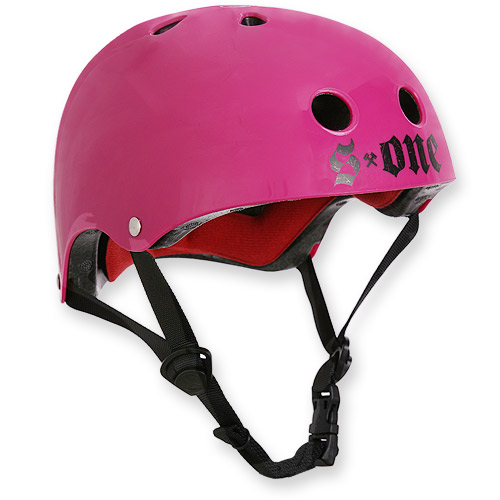
 | Did you know that Arkansas is one of only 14 states that doesn’t have any form of local or state helmet laws for bicyclists? Statistics have shown that the states that do implement some form of helmet law have seen an 18.4 percent increase in helmet use. During the year of 2007, 12,000 children under the age of 15 were admitted in hospitals nationwide for bicycle related injuries. In Arkansas alone more than one-fifth of all bicycle related deaths occurred in children ranging from ages 5-15. So why, with the death and injury rates on bicycles so conspicuously on the rise, has Arkansas still failed to adopt a helmet law? |
Every 4,500 miles of riding, you can expect to crash. Even when you think you are going slowly, you can still cause some serious trauma to your head. This highlights the appropriateness of wearing a helmet even when you think the danger lay dormant.
What to look for in a bicycle helmet:
v Be sure that your helmet fits you right. It should be level on your head touching snugly, but not tightly, all around.
v A good helmet should not move more than an inch in any direction.
v It should absolutely not pull off, no matter how hard you try.
v Check inside for a CPSC sticker. This is no longer required, but this ensures that the helmet you are purchasing meets the legally required safety standard for a bicycle helmet.
v For added safety, you can purchase white or a bright color to ensure visibility.
v The chin straps should not be thin, but thick and supportive.
v A nice, rounded shape is ideal
v Beware of too many vents. This may look cool and comfortable, but too many vents can compromise the integrity of the helmet.
v Visors can shatter or snag on impact, so be careful if you select a helmet with a visor.
v Make sure it is a BICYCLE helmet you are purchasing. Similar products are produced for in-line skating and skateboarding, but they all provide greater protection in the areas most likely to be impacted.
